Pattye Benson

Community Matters

Tredyffrin Township

Deteriorating bridge, parking safety concerns, liability issues . . . Why spend taxpayer money on open space and not maintain?

Back on November 15, the Tredyffrin Township’s Board of Supervisors agenda included awarding the Swedesford Road Open Space bridge repair contract. (The lowest qualified bidder was Bill Anskis, Inc. in the amount of $84,655.50.) This bridge repair has been on the Township capital projects list for a long time and had finally found its way to the top. The Swedesford Road Open Space property is located directly across the road from my house, so I am acutely aware of its usage and its associated parking issues for anyone attempting to use this Township open space.

I spoke at the November 15 supervisors meeting to explain the Swedesford Road Open Space usage, particularly during spring and summer trout fishing season. Swedesford Road is a highly traveled road and I assumed that once the liability issues to the township were understood, this project would move forward. In fact, in the township’s five-year plan, improvements to the Swedesford Road Open Space project specifically state, “bridge and parking lot safety improvements”. Additionally, the necessary repairs needed for the Swedesford Road Open Space bridge and parking improvements is included in the implementation of the latest Township Comprehensive Plan. Rather than approving the Public Works project, the supervisors voted to pass it to the Parks Board for further discussion.
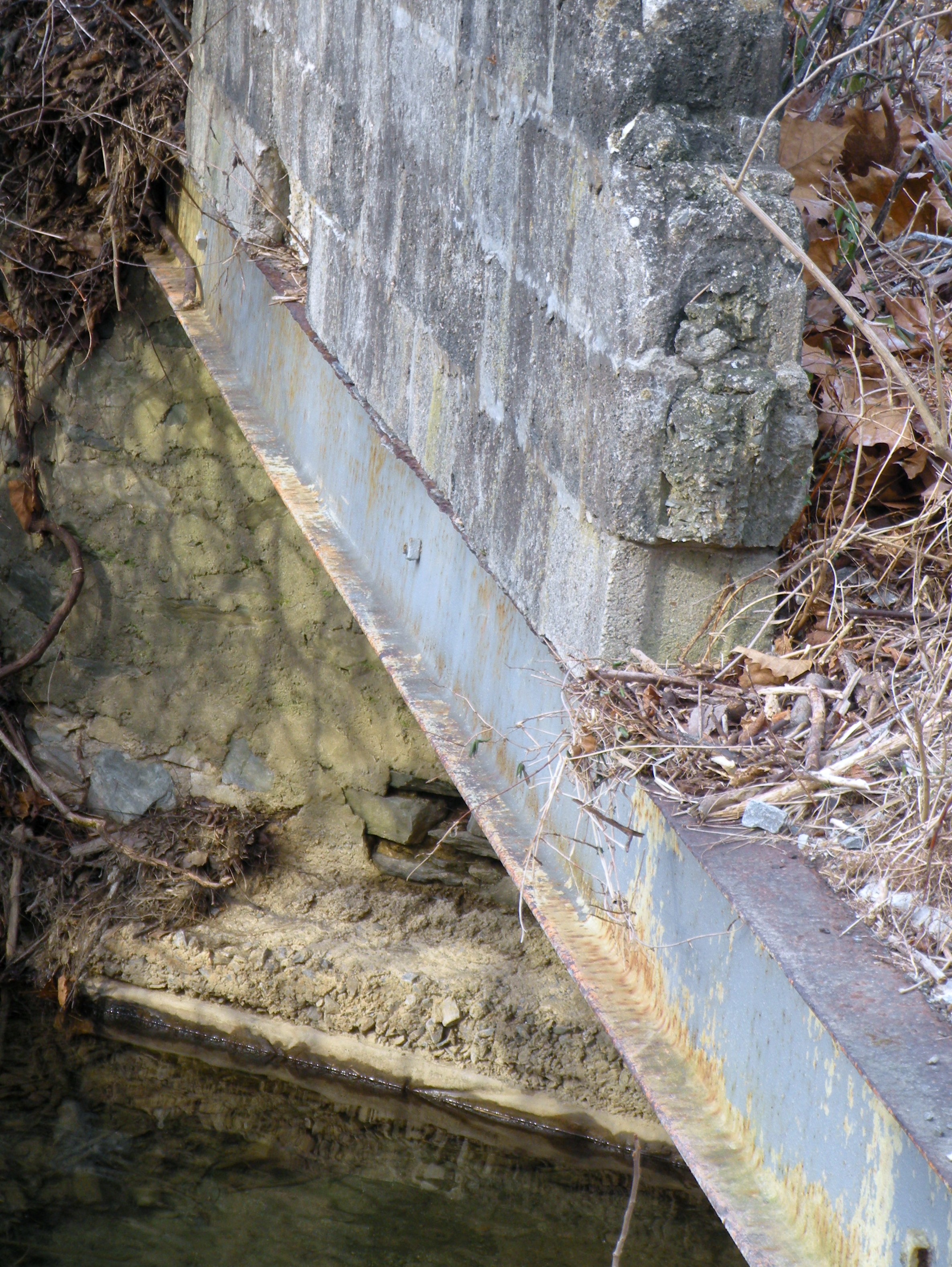
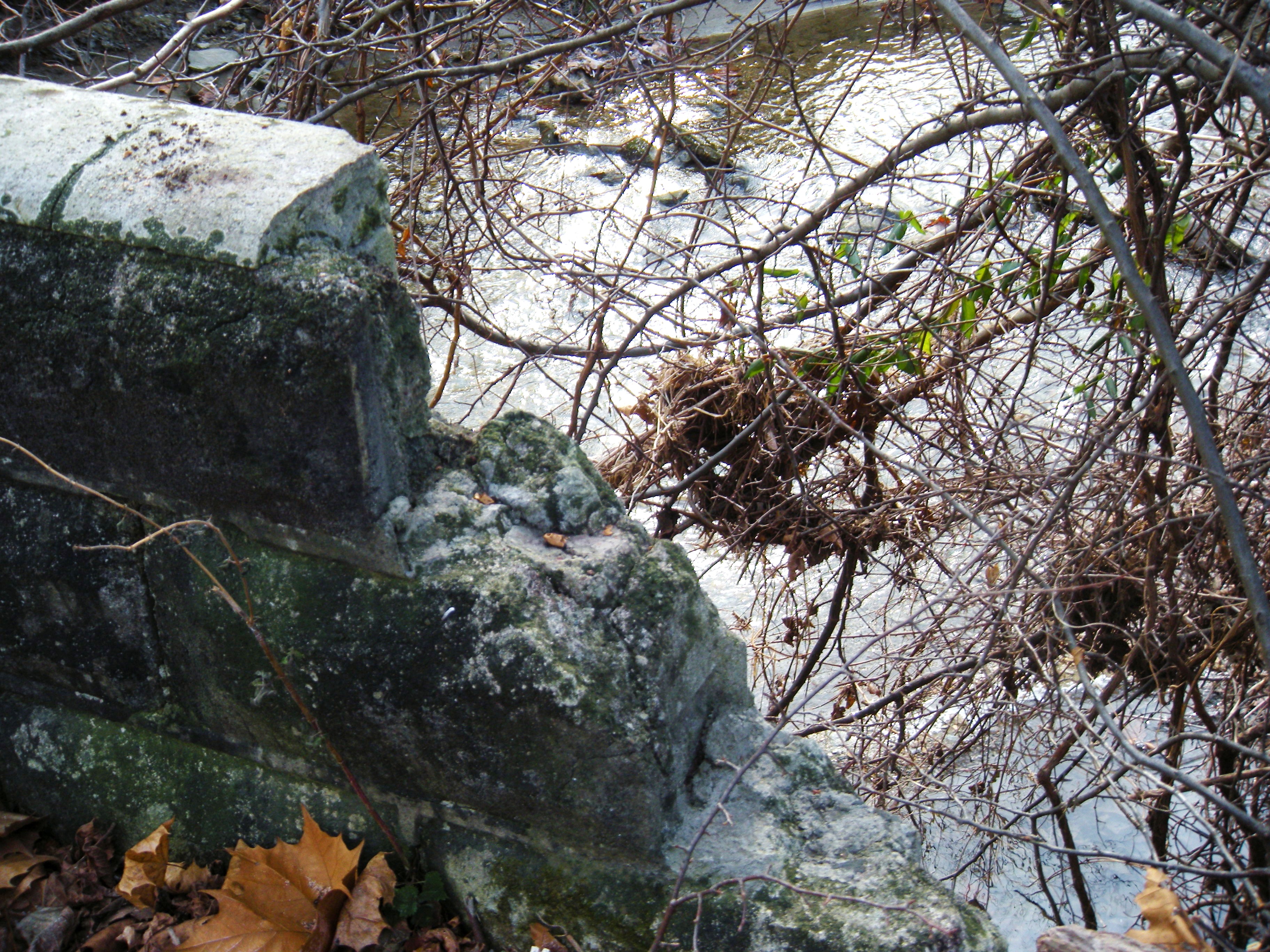
The Parks Board met last week and the Swedesford Road Open Space bridge project was on their agenda for discussion. It is my understanding that the Parks Board voted unanimously not to support the bridge repair and parking safety project. I simply do not understand. Either the members of the Parks Board did not visit the Swedesford Road site (and see the deteriorating bridge and existing parking liability issues) or they are choosing to follow the lead of some of the supervisors. But it does surprise me that members of the Parks Board would not support the needed repairs and maintenance of one of the parks they are appointed to protect. As an appointed member of the township’s HARB (Historical Architectural Review Board), I liken their decision to . . . me not supporting the historic buildings in the township. I guess I do not understand the Parks Board motivation.

If the township (1) supports open space through purchase of property and (2) advertises the use of the open space and parks, then (3) doesn’t the township have a responsibility to maintain the property so that it is accessible and safe for the residents to use?
Back in 2006, there was a firestorm of debate over the purchase of the Swedesford Road property (and its price tag). The purchase price for the 5.7 acres of open space was $825,000. However, a Chester County grant paid for more than half the cost. The Swedesford Road Open Space ordinance in 2006 stated the property was to be “utilized perpetually for park, recreational and natural-resources conservation purposes.” Many in the community thought that the price was too high for this property but that debate is long gone . . . the taxpayers own the property and it should be accessible for use.

It is also important to note that the Swedesford Road Open Space project is a capital expense and not included in the township’s operating budget. The project is funded through bond and grants money and would not affect the supervisor’s passing of the 2011 budget.

In reviewing the agenda for the upcoming Board of Supervisor meeting on Monday, the Swedesford Road Open Space bridge repair and parking improvements is listed. With the reinforcement of the Parks Board member’s unanimous vote not to move the repair project forward, it is doubtful that the supervisors will approve this Public Works project.

I do hope that the supervisors recognize that there is a liability issue for the township by choosing not to repair the bridge or improve the parking situation. Residents see the township’s sign ‘Swedesford Road Open Space’ and attempt to pull off the road on to the open space property. With no room to turnaround, drivers are often forced to back out on to Swedesford Road . . . a risky proposition!

If the supervisors are not going to repair the bridge and improve the parking, I suggest that the township remove signage and close the area of Swedesford Road Open Space to discourage visitors. However, before taking down the Swedesford Road Open Space sign and closing the area to public use, perhaps the township supervisors should notify Senator Andy Dinniman and Commissioner Carol Aichele. Chester County dollars through a grant were used to fund this open space purchase and their names appear on the sign!

________________________________________________________________

Additional notes:

Following the November 15 Board of Supervisors meeting, an article, ‘Tredyffrin has its own bridge to nowhere’ appeared in the Mainline Media News newspaper – here is a link.

For those that are unfamiliar, I have included some photos of the Swedesford Road Open Space property – the bridge and the parking area. In the last few weeks, there has been a traffic accident at the Swedesford Road Open Space where the guard rail has become dislodged.

Residents Say No to 422 Tolling . . . What About the Leasing of I-95?

Governor-elect Corbett has his work cut out for him come January. During the campaign, he promised no new taxes yet took a pledge to “reduce congestion and build new roads”. Now will come the seriousness of how to pay for these promises. We all know where just the discussion of the ‘possible’ tolling of 422 factored in the last election!

It was with interest that I read a report from Harrisburg about I-95 through Philadelphia and the price tag for repairs and rebuilding. The 20-mile stretch was built back in the 70’s and probably epitomizes the severity of roads in the Commonwealth in need of serious repair. Considering its daily use as a major corridor that brings people into Philadelphia and through the area, a 95 rebuilding project would be massive (and costly).

With a price tag estimated to be $20 billion (the entire Pennsylvania Department of Transportation budget for new highway construction was $1.8 billion in 2010) some elected officials are scratching their head as how could the state ever pay for such a project. One idea being considered is leasing the highway as well as others across the state.

State Rep. Rick Geist (R-Blair), chair of the House Transportation Committee has been vocal that I-95 needs more than repairs, that this stretch of the highway will need to be rebuilt within the next 10 years. If you recall a couple of years ago, a stretch of the elevated road had to be shut down for repairs when large structural cracks were found in the support columns . . . warding off what could have been a serious situation had the overpass collapsed during the height of rush-hour.

Reflect on the overall state of roads in Pennsylvania. I have mentioned this before but I think it bears repeating – according to the Society of Civil Engineers, they have rated 38% of the Commonwealth’s roads at a ‘fair’ or ‘poor’ level. Folks, it doesn’t get much worse . . . in fact they further suggest that one-fourth of all the state’s bridges are structurally deficient and 17% of our bridges are deemed functionally obsolete. Scary, don’t you think?

So maybe the only solution for updating of the infrastructure is a private leasing arrangement. There is a group called the Public-Private Partnership (P3), which will take care of the cost of repairing and maintaining the major highways. So what does P3 gain from this arrangement? The private firms place tolls on the road to cover their expenses. Not sure if the Department of Transportation would have oversight or any control on the tolling levels. The Federal Highway Administration encourages the use of P3 partnerships as a means to pay for needed highway repairs when there are funding issues.

I know that many in the community were opposed to the tolling of 422 but I am curious if people feel likewise about I-95. And what about the notion of a private third-party making the decisions and setting the tolls? Pennsylvania’s road and bridge infrastructure is in crisis but, with so many lawmakers running in this last campaign on no increase in taxes platform, how are these roads and bridges repaired? The money must come from somewhere but I guess for me, I think the idea of a private leasing arrangement should be looked at very cautiously. The suggestion of ‘giving up control’ to a third-party; I just do not know if that is the solution.

Look at the aging Pennsylvania Turnpike. At approximately 70 years old, how will its future maintenance and care factor in to the transportation budget? In addition, how much revenue was lost with the failure to place tolls on I-80? Lawmakers are facing a $472 million annual transportation budget shortfall that was created by the loss of tolls on I-80. And that does not consider the suggestion last summer of an additional $3 billion increase annually to cover the cost of maintaining the aging roads and bridges.

With many newly elected officials arriving in Harrisburg with the no new tax mantra, how are these serious infrastructure problems going to be resolved? We need some vision for the future from our lawmakers. Not meaning to over-dramatize the situation but do they want the blood on their hands should a major catastrophe occur on one of these roads or bridges?

Does the state take charge of these needed transportation repair projects or does an independent leasing company take charge? Or, . . . do we do nothing and just ‘cross our fingers’.

TESD Finance Committee Meeting . . . Raise School Taxes vs Eliminating School Buses or Support for Athletics? Notes from Ray Clarke

In the midst of packing to leave for a family holiday, Ray Clarke was still able to attend last night’s School Board’s Finance Committee meeting. We are all grateful that Ray attends the meetings and then kindly supplies his notes. Thank you my friend and happy travel! Below are Ray’s notes and I think you find them interesting! With the looming deficit, we are not surprised at the direction of our school taxes . . . but tax increase vs. elimination of school buses or support for athletics? Don’t think those options are likely to be approved.

There was a well-attended meeting of the TESD Finance Committee on Monday night. There was much material to cover, though, and not much time for input from the 30 or so community members present. Since the size of the problem and contentiousness-level (sorry!) of some of the ideas is off the charts, all the Finance Committee could really do was kick the can down the road.

No surprise, the Committee voted to recommend that the full board vote on January 3rd to apply to the state for Exceptions to be able to increase property taxes by 2.8% on top of the Act 1 increase of 1.4% – total 4.2% increase. This would also involve publishing a preliminary budget at that time that shows a budget deficit (after the tax increases) of somewhere in the $4-5 million range (depending on whether any expense reductions are included).

Important to note: this recommendation keeps options open. On the revenue front, the Board could 1) still ask for a higher tax increase through a voter referendum (but could not now ask for an EIT), 2) ask voters to approve any tax increase beyond 1.4% (and not apply for Exceptions), 3) hold the increase to zero or 1.4%. On expenses, there seem to be $1-2 million of “Level 1” and other strategies that could reasonably be implemented for 2011/12. The gap between revenues and expenses that results from the final choices on the above dimensions would be met from the fund balance. Kevin Mahoney and Debbie Bookstaber seemed to be favoring revenue option (2).

A few numbers that caught my eye:

1. This year’s operating statement is being strongly fortified by delinquent tax collections and by reduced PSERS contributions that are each projected to be ~$750,000 favorable to budget, resulting (with other puts and takes) in a reduction of the expected contribution from the fund balance from $1.5 to $2 million.

2. The district is finally publishing and using figures that reflect TEEA increases closer to the effect of the actual salary matrix. The aggregate salary increase for 2011/12 is projected to be 7.33%, and may go higher with more movement across the matrix.

3. The projections use historical rates of increase for medical and prescription costs (10-15% per year); it seems possible that current experience will turn out to be more favorable.

4. The “base case” used for starting points includes the Act 1 tax increase of 1.4%. This is different from other years when the base case is the current tax rate. With no tax increase and no additional expense reductions, next year’s gap would be $8.8 million. This includes $470,000 add back of “one-time” strategies used last year.

5. Options to close the close the gap with no tax increase include things like: elimination of school buses ($2 million) and of support for athletics ($1.5 million), outsourcing custodial services ($0.95 million), further reducing aides ($0.8 million). There was no indication that the Board would seriously consider these, although there was commentary about transportation inefficiencies observed by some Board members. Interesting that the option to hold administration salaries flat (impact $150,000) was included with these “Level 2” strategies. There is also a set of strategies to eliminate teaching positions that if approved by the Education Committee/Board and if staff attrition occurs would eventually save $3 million/year ($525,000 of this will be up for approval at the 1/32011 Board meeting).

6. Going forward, the problem compounds – even with a model that includes no TEEA compensation increases (none!). The issues are flat assessed values, healthcare costs, and PSERS (no, Harrisburg didn’t fix it!). One audience member cited research that predicts that property values and employment don’t reset and resume growth until 2016. That ~$5 million in earned income taxes paid to other jurisdictions seems pretty important, as do healthcare benefit cost-sharing programs and index-linked compensation in future union contracts. Maybe we will continue to look to the state for PSERS help, but there is clearly a lot that can be done at the local level.

There was much talk of the educational value delivered by the T/E program. Dan Waters compared Lower Merion expenditures and Kevin Buraks asked for comparisons of tax rates of neighboring districts (but this blog knows we need to look at rate times assessed value too).

Finally, there was an interesting aside that the Great Valley School district has asked for support for a County-wide property reassessment. Not sure what that means, except at the least a correction of imbalances that have built up over the years.

Hopefully, there were other CM readers at the meeting who can amplify and raise things I’ve missed here.

Gun-Related Stories Too Close to Home

The Valley Forge National Historical Park has reached about half of its goal of deer reduction for this winter. To date the sharp shooters have killed 225 deer as part of the operation to reduce the deer population. Over the next two years, the park plans to reduce the deer population from about 1,250 to under 200. I know that we have a deer problem; I see the problem in my backyard each day. I just cringe with the idea of guns in the park and the shooting of the deer. Why can’t there be a better way – and no, I don’t think coyotes are the answer. I rationalize that the ‘good news’ to this story is that 7,000 pounds of venison as been donated to the needy.

On the subject of guns, a couple of other recent gun-related stories caught my attention. According to a police report, there was a recent road-rage incident on Valley Forge Road near Swedesford Road. The incident occurred at 3 PM in the afternoon on a Saturday afternoon and involved two people. Police say that Kevin Miller, 33 of Plymouth Meeting was arrested for making terroristic threats and Kathleen Penjuke, 40 of King of Prussia was issued a citation for disorderly conduct. It is alleged that Miller waved a gun at an unidentified victim and that Penjuke gestured and yelled at the victim as they passed on the shoulder of the road. The police report does not indicate any further information and the people involved apparently have not had their court date. The scary part of the story is that we have someone in a car ‘waving a gun’ at another individual.

This other story is just sad. This past Friday afternoon in Westtown a 14-yr. old boy shot and killed his 12-yr. old sister. How could this happen? Although the police investigation has not determined all the details, I will choose to believe it was a tragic accident. The blame must go beyond the young boy that pulled the trigger. Why was this firearm not secured? Where were the responsible adults in the house? Depending on the outcome of this case, the parents may lose not one but could possibly lose both of these children.

I accept that there are readers of Community Matters who completely support the right for individuals to own and carry guns. However, hearing these gun-related stories reaffirms for me that we need stricter gun-control laws. I just cannot believe that our founding fathers could have imagined the world as it now is when designing the Constitution.

News from Last night’s Board of Supervisors Meeting and T/E School Board Meeting

If you were late arriving to Monday’s Board of Supervisors meeting than you were out of luck. Literally from the time the pledge of allegiance was finished, the supervisors meeting was over within 10 minutes. Bob Lamina read the announcements which included the Public Meeting on Wednesday, December 8 in regards to the Amtrak 252 bridge project, including an update on the Feasibility Study. Meeting to be held 7-9 PM at Delaware Valley Friends School. The other announcement was to remind residents that there is an expected vacancy on the Board of Supervisors due to Warren Kampf’s recent election to the state legislature. Those interested in filling the anticipated vacancy are asked to send a resume to Mimi Gleason by 12/31.

There was no new business from supervisors and no residents comments. It may have been the shortest meeting in township history.

News from the T/E School Board. The election of the school board president and vice president was on last night’s agenda. I am pleased to announce that Karen Cruikshank was elected president and Betsy Fadem, the out-going president, was elected vice-president. These positions are two-year terms. With the school district deficit, teacher contract negotiations and looming PSERS issues in Harrisburg, the challenges are there for our School Board. Best wishes and good luck to Karen and the other school board members as they struggle with our challenging economic times. Residents are fortunate to have such qualified school board members to guide the school district.

Poplar House Has Become Radnor’s La Ronda!

I just received notice that Poplar House, at 600 Maplewood Ave. in Radnor Township was demolished. Dating to 1902, the house contained 10 bedrooms, 6.5 bathrooms, 11,433 sq. ft and sat on 36 acres. The house was demolished to make way for a new housing development.

Although Radnor Township has a HARB (Historic and Architectural Review Board) in place to advise the Township on matters related to three historic neighborhoods, they do not have the authority to stop the demolition of any historic resources in Radnor. (Radnor does not have a Historical Commission). Lower Merion and Haverford Townships have Historical Commissions and regulations to prevent the loss of their most valuable and significant buildings.

Tredyffrin Township has a HARB (I’m one of the members) and we have been working for over a year toward the creation of a Historical Commission. Going back and forth between the HARB and the Planning Commission, we finally all reached an agreement back in August and the plan moved to the township solicitor for review. At the October Board of Supervisors meeting it was announced that the proposed Historical Commission would be presented at a public hearing on December 6. Then at the supervisors meeting following the November election, the Historical Commission was abruptly removed from public hearing status; we were told because the legal work had not been completed. No new date was given to the HARB members and it could be months (if at all) before there is a new public meeting scheduled.

It is so discouraging to read these stories of beautiful and notable buildings destroyed in the name of progress. One does not have to live in a historic property to understand and appreciate their value. Hopefully, our supervisors will support the establishment of the Historic Commission so that Tredyffrin’s historic properties don’t suffer the same fate as historic properties in Radnor Township.

First there was La Rhonda in Lower Merion and now Radnor Township has allowed Poplar house to be destroyed. What’s next? Here are some photos of Poplar House:

Fire Funding Crisis for Berwyn, Paoli & Radnor Fire Companies. . . the ‘real’ story!

I am always appreciative when Community Matters readers send me local articles or links that I may have missed. I received a great article today – the new edition of Main Line Today contains the article, ‘The Price of Rescue – Financial alarms have begun to sound at area fire and ambulance companies. What happens if the dollars dry up? (Can we afford to find out?).

The well-written article by Jim Waltzer highlights what many residents in Tredyffrin and other local municipalities have known for a while now, and what we have been hearing from our volunteer firefighters. Our local fire companies are coming up against the money crunching of local township budgets and quickly facing a funding crisis within their organizations. Below are some of the highlights excerpted from of ‘The Price of Rescue’, click here for the complete article. Once again, on behalf of the Berwyn, Paoli and Radnor fire companies . . . please remember our volunteer firefighters (particularly during the holiday season) with a generous contribution. These men and women put their lives on the line every day for each of us!

“ . . . money is as critical as water to firefighting, an essential service built on a powerful volunteer tradition that, hereabouts, dates to Benjamin Franklin. And since cash flow is so uncertain in the current climate of economic tightening, fire companies are transmitting distress signals. A 5-percent reduction in Tredyffrin Township’s portion of fire-company funding triggered a strong response from the firefighting community late last year, though private contributions restored the shortfall. “[But] what happens next year—and the year after?” poses Matt Norris, chief of the Berwyn Fire Company, which fields about 2,000 ambulance and 1,000 fire calls a year.

Rip Tilden, the company’s president, believes the day is coming “when we won’t be able to fund emergency services in the ways we have.”

That day may not be circled on the calendar just yet, but the long-range trend isn’t promising. The growing public perception is that local governments fully fund fire companies, resulting in less-than-robust donations of late. Other culprits include the widening gap between ambulance billings and payment, greater demand for advanced life support, reduced insurance reimbursements, rising personnel costs, expanded training requirements, dwindling volunteerism, increased government regulation, and grant funding that’s been slashed. In short, revenue is flat—or reduced—in the face of rising costs and need for services.

Berwyn’s 13-year forecast spots trouble halfway through. “Based on what we know today, six to eight years out, we’ll be strapped financially,” says Tilden, who estimates that the company will break even this year per its operations budget of $1.4-$1.5 million.

Meanwhile, Berwyn’s capital expenditures have been significant this year. A peek behind the bay doors of the 100-year-old firehouse on Bridge Avenue just off Lancaster reveals $5 million worth of rolling stock that needs periodic replacement: A new $950,000 tower-ladder truck and a $100,000 ambulance will soon join the fleet, and the company continues to repay $300,000 in state loans for two fire trucks.

Construction of a new firehouse is a long-term capital project—one that will require a campaign to raise $7-$10 million. “We’ve done the architectural work,” says Tilden. “We’ll have to buy the real estate.”

The company applied much of its 2009 surplus of more than $300,000 toward the purchase of the two new vehicles. More than half the tab for the ladder truck was paid with Pennsylvania Relief Association funds. The rest is covered by additional state loans and a combined annual capital contribution of $140,000 from Tredyffrin and Easttown townships.

Tilden characterizes last year’s budget surplus as “not sustainable,” attributing the excess to belt-tightening in anticipation of the new vehicle purchases. Berwyn generates more than half its operating revenue from insurance payments for ambulance-related services, while the townships’ contributions account for about 20 percent and public fundraising 15 percent. The company receives $125,000 a year in rental fees from five mobile phone providers for the use of the tower on its property, and another $50,000 from grants and other rental income. Its principal expenses are salaries and benefits for paid personnel; other costs are associated with facility and vehicle maintenance, service delivery (e.g., disposable drugs), and day-to-day administration.

Nine full-time employees—including firefighter emergency medical technicians and paramedics—staff Berwyn, whose workforce is bolstered by 60 volunteers. In providing services, “there’s no line between paid staff and volunteers,” says Norris. . . .

Berwyn typically receives about a 20-percent response to its biannual fund drives, buttressed by a November turkey raffle (which raises about $10,000) and an April dinner at Berwyn United Methodist Church. Fundraisers and other efforts to plug budget gaps can place a burden on fire company personnel who may lack the aptitude. “[Firefighters] didn’t sign up to raise money,” says Norris.

In this economy, even small funding cuts seem ominous, which is why fire and EMS officials protested Tredyffrin’s 2010 budget, in which the township reduced its funding of its three fire companies—Paoli, Berwyn and Radnor—by about $20,000 combined. The 5-percent cut was part of a 15-percent budget reduction, says township supervisor Warren Kampf. A volunteer citizens board assisting the budget process had recommended deeper cuts for the three fire companies. Supervisors and residents subsequently raised more than enough money to make up the difference.

Tredyffrin has tripled its fire-company funding in the past six years, notes Kampf, who adds that “the future is going to include increased contributions” due to rising costs. “In the end,” he says, “fire protection is a critical part of living in our township.”

Tilden certainly shares that perspective. “Maintaining a high quality of [emergency] service has an impact on property values. If insurance company ratings [for a given locale] are high, homeowner’s insurance costs less,” he says. With the proliferation of smoke alarms and sprinkler systems, major fires in this day and age have decreased. But when one strikes, equipment and manpower must be tuned and trained. Every company has a timetable for replacing vehicles. “The average life of an ambulance is three years, because you want a decent trade and have to keep up on technology,” says Norris. And as safety regulations multiply, so do costs. Likewise, service delivery costs are rising, especially for EMS and stepped-up use of paramedics (to provide advanced life support), a trend that Tilden attributes to an aging population and a more cautious approach by county dispatch. Expanding ALS has a direct effect on the bottom line, as companies that offer the service in-house (e.g., Berwyn) must add staff, and those that contract for it absorb a substantial difference between their cost and reimbursement.

. . . So while they all fight fires, Berwyn and Malvern provide in-house basic life support and ALS, while Paoli, Radnor and East Whiteland offer BLS only, and Valley Forge fire only. Some townships—like Radnor and Lower Merion—pay most of the purchase cost of new vehicles, while others pay for a relatively small portion through capital allocations. So the percentages of the budget contributed by local and state government, EMS/ambulance revenue, and public donations may vary wildly. It’s a far cry from the notion that government pays for everything. . . .

. . . . The Paoli Fire Company has six full-time employees (four firefighter/EMTs, two administrative), six part-time paid staffers, and 45 volunteers who mostly fight fires and provide EMS. It makes about 2,000 calls a year and expects to break even in 2010, says business manager Dan Green. He anticipates a $10,000 increase in net income next year—one that may be more than offset by a projected 15-percent bump in medical insurance premiums and additional higher costs.

Beyond 2011, the outlook is murky. Though Paoli does take advantage of 2-percent state loans to buy new vehicles—and Chester County money at a rate that’s a few points higher to help finance site renovations—its funding is always in a state of flux. “We’re teetering on a delicate balance of these revenues,” says John DiBuonaventuro, a Paoli firefighter/EMT and a Tredyffrin Township supervisor.

“These revenues” come from ambulance/EMS reimbursements, local government funding (aside from Tredyffrin and Easttown, Paoli receives a smaller contribution from Willistown), the state’s insurance relief program, and public donations. The amounts and proportions vary year to year. DiBuonaventuro opposed Tredyffrin’s funding cut for Paoli, Berwyn and Radnor last year. “Few politicians have the perspective of responder or victim,” he says. “New residents think their taxes pay for these services.” If volunteer levels continue to fall, says DiBuonaventuro, taxes will pay for firefighting and EMS—additional taxes, that is. Meanwhile, Green emphasizes that the 25-percent response to Paoli’s annual fund drive keeps the company rolling.

Money to the rescue.
How to Help Even if you don’t like hot places and high vantage points, you can help your local fire company level the playing field. The simplest and most effective way is to respond to annual fund drives. This is not, after all, a direct-mail campaign pitching the latest rejuvenating skin cream. Toss the mailer aside now, and one day in the not-too-distant future, it may well come in the form of a fee —with a higher dollar figure. “People can also help by joining the fire company,” says Berwyn chief Matt Norris. While battling blazes and providing EMS require rigorous skills and stoutheartedness, almost all firehouses welcome additional help with administrative and fundraising tasks.

The 422 Tolling Debate Continues . . . Area Planners vs Anti-Tax Politicians

There is an interesting article in today’s Philadelphia Inquirer which gives some of the planned details of the 422 tolling plan. For instance, I did not realize that if the 422 project moves forward, it will become the first locally managed toll system of its type in Pennsylvania.

The politics of the 422 tolling issue continues to remain in the news. On one side are the planners. These ‘visionaries’ not only look at the specific problems of today but also have the job of forecasting the future and try to plan accordingly. The congestion and major traffic problems of Route 422 are not going to magically disappear so than we have the question as to how to pay for the planner’s recommendations.

Many politicians recently won their local elections in Pennsylvania on anti-tax platforms. So now those elected officials in the Rt. 422 corridor are faced with the problem of not supporting the tolling of 422, and struggling with designing a plan to pay for the needed infrastructure improvements. Current funding trends nationwide indicate communities will have to be more self-reliant in the future.

How does the elected official balance what is right for the tax payer vs the funding issue to improve 422’s infrastructure issue?

Planners put positive spin on tolls for stretch of 422
By Jeremy Roebuck
Philadelphia Inquirer – Sun, Nov. 28, 2010

There might be no more frustrating, dashboard-banging, horn-worthy commute in the Philadelphia suburbs than Route 422’s 25-mile stretch. But are local drivers willing to pay to ease that daily backup? It depends on how you ask the question, regional planners say. The Delaware Valley Regional Planning Commission and a host of local governments have launched a public-relations campaign extolling the benefits of adding tolls to the congested highway.

“If you ask people, ‘Do you support tolling 422?’ they will likely say no,” said Leo Bagley, Montgomery County’s chief traffic planner. “But if you ask them, ‘Would you support tolling 422 to fund all these improvements?’ they’re more likely to consider it.”

The DVRPC launched its 422plus website last month to promote the proposal – the result of a $625,000 study funded by the U.S. and Pennsylvania Departments of Transportation and Montgomery, Chester, and Berks Counties.

While it lays out a plan to relieve traffic congestion, many of its details remain undetermined – and whatever is finally proposed would require approval of county and state governments. But the January report is expected to propose a toll of 11 cents a mile. For vehicles with E-ZPass, the fees would be recorded by overhead transponders at four locations. Drivers without E-ZPass would be billed through photos of their license plates.

Traveling the length of the state highway, which runs from King of Prussia past Pottstown to Reading, could cost up to $2.75 one way, according to planners. All of the revenue would be devoted to 422-corridor projects. If granted legislative approval, the project would become the first locally managed highway toll system of its kind in Pennsylvania. And it could mean the difference between completing proposed improvements in 10 years versus the 30 expected should planners wait on state funding.

The 422plus planning group began looking toward locally funded improvements well before this year’s $475 million shortfall in the state’s transportation budget, Fray said. That gap, caused by U.S. rejection of a plan to install tolls on I-80, only drove home the point that waiting for state highway money could take decades. “If we want improvements on 422, we have to control our own destiny,” Bagley said. “If we raise the money, we keep it here.”

Before any of these plans can be enacted, they will need support from local officials. Four county governments would have to vote to create a regional tolling authority. State legislators would have to give it power to toll the road.

And that might be a tough sell given the antitax mood among the electorate. Warren Kampf, a Republican from Tredyffrin, was elected to the state House this month on a platform that in part opposed the tolling plan. His district includes the most heavily used stretch of 422, between Audubon and King of Prussia, where 110,000 vehicles a day pass. “To toll people that are going to work in these difficult economic times doesn’t seem right,” Kampf said in a campaign interview. “The gas taxes, the income taxes, the emission fees, the registration fees, and the turnpike tolls are all largely collected in this area. I believe there’s money within our current revenue.”

Some municipal officials gearing up for elections next year have already taken strong stands on the issue. “I don’t think the situation is going to improve. It’s only going to get worse as more businesses locate out here and more homes are built,” says Sue Padilla, an Oaks business owner, in one of the videos. “If we wait for traditional revenue sources it’s going to be way far down the road.”

Richard Dix, 59, an unemployed machinist from Royersford, said he was willing to do whatever it took to fix what has essentially become a parking lot during the peak of rush hour. He routinely avoids 422 by cutting through side roads. “Make them pay something, and maybe I’ll reconsider,” he said. “That highway’s a nightmare.”

Thanksgiving is a Special Holiday . . . Wish the Spirit Would Continue Throughout the Year!

Thanksgiving is a special holiday . . . although spending the day halfway around the world in Budapest; it does have a different feel for my husband and me this year.

In some ways, Thanksgiving does a better job of promoting the Christmas spirit than will happen next month. On Thanksgiving, we are reminded to note and savor our blessings and to reach out in generosity to our neighbors and our community. If you know someone alone on Thanksgiving, it is automatic to include them at your table. With our own family scattered across the country, there have been times when we were those appreciative extra dinner guests at the home of friends.

Unlike Christmas, the only gifts that are expected are ones that most can provide without piling up a mountain of debt: gifts of time, companionship, good cheer and food. Thanksgiving is the holiday calm before the storm of feverish Christmas consumerism and gift-buying anxiety that traditionally descends on the nation the next day.

On Thanksgiving, we gather with friends and family to strengthen bonds of love and friendship, sometimes after long absences. Many times, there are extra places for newcomers to the gathering, thanks to the marriages and births that have enlarged the family since last Thanksgiving.

Our elders can savor the energy and optimism of the youngsters in the family. And families across the nation are united by traditions such as turning on the television to see Philadelphia’s annual Thanksgiving Day parade or to watch their favorite football team win (or lose).

Naturally, everyone anticipates the table overflowing with roasted turkey, cranberry sauce and pumpkin pie . . . a dinner that is always energetically consumed and for some followed by contented snores. Before taking that nap, remember to thank the cooks and some help with the dishes would be appreciated even more.

Thanksgiving is a wonderful holiday . . . wish the spirit could continue throughout the year. There is much to be thankful for today – family, friends and community do matter. Best wishes for a very special Thanksgiving, wherever you are!

Radnor’s Proposed Budget Calls for 17% Real Estate Tax Increase; Phoenixville Talks of Cutting Police Force & Lower Merion Residents Collecting Signatures in Opposition of Their Tax Increase

Lower Merion’s proposed 2011 budget indicates a 14.7% real estate tax increase . . . Phoenixville is working with a 24.7% proposed increase . . . Easttown Township announced their proposed budget includes a 5.3% real estate tax increase and on Friday, Radnor Township released their 2011 operating budget which indicates a 17 percent real estate tax increase! Radnor residents will be facing this 17 percent real estate tax increase for 2011 on the heels of 2010’s 11 percent increase.

Radnor’s administration points to similar problems as other neighboring municipalities due to the economy and that the municipality is struggling to recover from the recession. With revenue growth slowed, Radnor is looking at various ways to reduce operating expenditures. Included with Radnor’s budgetary information, is a memorandum from the assistant township manager, William Martin which details some suggestions for increased revenue. Some of these suggestions are interesting – I wonder if any of these revenue recommendations or expenditure reductions are suggestions that Tredyffrin should consider. I have highlighted some of Martin’s suggestions below:

Revenue Recommendations

  • Sell Selected Parcels of Township-owned Land
  • Negotiate Payment in Lieu of Tax with Universities and Colleges
  • Lease Office Space in Township Building
  • Perform audit of Cable TV Franchise License and permit fees
  • Increase Youth Sports Program Field Maintenance Fee for non-resident participants to $25 per participant
  • Consider corporate naming rights for select Township assets

Expenditure Reductions Suggestions

  • Reduce total employee expenses by 8% in 2011
  • Implement a moratorium on acquisition of land or open space
  • Reduce Township facility costs to maximize the value
  • Reduce Legal Expenses
  • Mandate within legal limits that employees use accrued vacation
  • Explore share services agreements with neighboring townships
  • Evaluate Parks and Recreation Programs that do not met expenses
  • Review status of government and public access television channels
  • Perform energy audit
  • Reduce usage of Township vehicles
  • Rely on Citizen groups instead of hiring consultants
  • Perform audit of purchases to insure sales taxes are not paid

In looking at various ways to increase charges for services in Radnor, the administration is proposing to amend the local inspection laws to include mandatory inspection of all rental units in Radnor Township (to include colleges/universities) and to increase the fee to better align it with the cost of providing these inspections (rather than having a general tax). I am imagining all kinds of problems with this mandatory inspection . . . cost of inspection and scheduling issues, privacy concerns, etc. It would appear that managing a mandatory inspection idea would not be easy. Owning a rental property myself in Tredyffrin, I am not sure how I feel about this idea.

Still grappling with the 24.7% proposed real estate tax increase in Phoenixville, there is some discussion about cutting two police officers from the budget to help lower the $600K+ deficit. It is my understanding that Phoenixville is already understaffed with their current police force. With the economic downturn and unemployment rising, it would seem that crime could also be on the increase (particularly with the holidays coming) . . . so I’m not sure that cutting back the police force is the correct approach. Apparently all departments have reduced costs by 10% and that all that is left is to look at reducing the police force.

The recently announced proposed 12.7% proposed real estate tax increase in Lower Merion has residents rightfully upset. To counter the proposed 2011 budget, residents are getting their voices heard through an online petition (1400+ signatures to date). Wonder if the Lower Merion’s Commissioners are likely to give any credence to the petition? http://www.petitiononline.com/lmcrb11/petition.html

To: The Commissions of Lower Merion Township

Petition – 2011 Lower Merion Township Proposed Budget

Economic indicators demonstrate that our Country is still struggling to recover from recession.

Since 2002, Lower Merion Township has raised the real estate tax millage rate by a total of 44.3% and has doubled its indebtedness (from $56 million to $112 million).

Lower Merion Township has raised the real estate tax millage rate in seven (7) of the last eight (8) years.

In 2010, Lower Merion Township raised trash collection fees between 10% – 41% for most residents.

Now, the Township Manager of Lower Merion Township has proposed a 12.7% increase in the real estate tax millage rate for 2011 which, if passed, would mean a cumulative increase of 62.6% since 2002, the year in which the current Township Manager was appointed.

The Lower Merion Township Manager proposes to increase 2011 spending by 5.5% over 2010 spending, which adds to past additional spending and represents a cumulative increase in spending of 45% since 2002.

By contrast, since 2002, inflation has increased 20.44% (through September 30), and overall national wages have grown just 22% (through 2009).

Further, the Township Manager has targeted a 17% General Fund Reserve Balance. The Township’s reserve policy has a goal of maintaining the General Fund Reserve Balance in the range of 15% – 18% of the Township’s prior year general fund expenditures.

While it is the Township Manager’s role to propose a budget each year, it is the responsibility of elected Township Commissioners to determine the amount of spending to authorize and to approve a final budget.

We believe that a 12.7% real estate tax increase is an unaffordable, unsustainable and unacceptable outcome and implore the Township Commissioners to significantly reduce proposed 2011 general fund expenditures, to draw down the General Fund Reserve Balance to 15%, and to avoid much or all of the proposed real estate tax increase at this difficult economic time.

Sincerely,

The Undersigned

Community Matters © 2025 Frontier Theme